


Exploring Vietnam: A Guide to Its Rich History, Culture, and Modern Charm🌏✨
- Somil Singh
- Dec 30, 2024
- 32 min read

Updated: Jan 3
Vietnam’s History and Culture: Resilience, Reforms, and Modern Success 🌏
Vietnam’s history is a fascinating tale of resilience, shaped by centuries of foreign rule, wars, and transformative economic reforms. A bit of history for all the history buffs out there—Vietnam’s journey is a story of grit, cultural strength, and remarkable recovery. Let’s explore the key moments that define modern Vietnam:
Chinese Influence (111 BC – 938 AD)
For nearly 1,000 years, Vietnam was under Chinese rule, absorbing cultural, administrative, and governance practices. Imagine enduring a millennium of foreign domination while holding onto your identity! In 938 AD, Vietnam achieved independence after the iconic Battle of Bạch Đằng River—a turning point that laid the foundation for its resilient spirit.
French Colonization (1858 – 1954)
In the 19th century, France colonized Vietnam, introducing Western culture, education, and Catholicism. However, the Vietnamese resistance grew stronger, led by the Communist Việt Minh under Ho Chi Minh. This movement sowed the seeds for a nation’s freedom and inspired decades of struggle for independence.
War with France (1946 – 1954)
The First Indochina War came to a dramatic end with Vietnam’s victory at the Battle of Điện Biên Phủ in 1954. This defeat marked the end of French colonial rule but left the nation divided—North Vietnam under communism and South Vietnam allied with Western powers.
The Vietnam War (1955 – 1975)
During the Cold War, Vietnam became a central battleground. The U.S. supported South Vietnam to stop the spread of communism, while North Vietnam, under Ho Chi Minh, fought for reunification. The war ended in 1975 with North Vietnam’s victory, uniting the country under communist rule.

Post-War Challenges (1975 – 1986)
Reunification brought its own challenges. Vietnam faced an economic crisis due to strict communist policies, leading to food shortages and widespread poverty. Despite hardships, the resilience of the Vietnamese people endured, setting the stage for transformative reforms.
Economic Reforms (1986): Đổi Mới
The turning point came in 1986 with the “Đổi Mới” reforms. Vietnam embraced private businesses and foreign investment, transitioning from a struggling command economy to a thriving market-driven system. This bold move marked Vietnam’s economic revival and global integration.
Modern Vietnam: A Thriving Nation
Today, Vietnam is one of Asia’s fastest-growing economies, excelling in exports, tourism, and innovation. Its combination of economic openness, rich cultural heritage, and political stability makes it a global success story. Vietnam’s remarkable progress continues to inspire nations worldwide.
In Summary
From centuries of foreign domination to a thriving modern state, Vietnam’s journey is a testament to resilience, adaptability, and growth. For history enthusiasts and global explorers, Vietnam is a shining example of how a nation can rise from its challenges and embrace a prosperous future. 🌟
Wait a moment—does this journey remind you of India’s history? Curious to explore the striking similarities and key differences between Vietnam and India? Discover More Here!
Approaching Vietnam: A Journey Through the Heart of Vietnam’s History and Culture
Planning a trip to Vietnam can feel a bit overwhelming at first—it’s a fairly big country with so much to explore! But don’t worry, we’re here to guide you on how to make the most of your time in this beautiful land.
Vietnam can be broadly divided into three distinct regions:
North Vietnam – Known for its stunning landscapes like Halong Bay, Sapa’s terraced rice fields, and the cultural charm of Hanoi.
Central Vietnam – Home to ancient cities like Hue, the historic streets of Hoi An, and some of the country’s most pristine beaches.
South Vietnam – Famous for bustling Ho Chi Minh City, the lush Mekong Delta, and the vibrant nightlife on Phu Quoc Island.
How We Explored Vietnam
We decided to approach Vietnam by starting in the South and working our way up North. Here’s why:
We’d heard from some fellow travellers that starting in the north and heading south might leave you feeling underwhelmed when you reach the south. According to them, the North offers unparalleled beauty, authenticity, and adventure that’s hard to match.
But guess what? For us, that theory didn’t hold up! While the North was indeed breathtaking, we found the South to be equally captivating in its own way.
The truth: Your experience depends on what excites you as a traveler.
Do you love bustling cities and vibrant nightlife? Start in the south with Ho Chi Minh City and the Mekong Delta.
Are you a fan of history and culture? Dive into Central Vietnam with Hue and Hoi An.
Craving jaw-dropping natural landscapes? Head straight for North Vietnam’s majestic mountains and serene countryside.
Pro Tip: If you have enough time, don’t rush! Spend time immersing yourself in each region. Vietnam’s diversity is its biggest charm, and every region has something unique to offer.
Vietnam Travel Checklist
To make your journey seamless, we’ve created a Vietnam Travel Checklist that covers everything—from visa details and packing tips to must-know cultural etiquette and budgeting advice. Whether you’re riding a motorbike through bustling cities or exploring serene landscapes, this guide will ensure you’re fully prepared.
Discover South Vietnam: A Peek into History, Culture, and Highlights 🌏✨
South Vietnam boasts a captivating blend of history, culture, and natural beauty.
Ho Chi Minh City
Ho Chi Minh City, once called Saigon, started as a small Khmer settlement known as Prey Nokor. In the 17th century, Vietnamese settlers turned it into an important trading port.
During the 19th century, the French took over and made it the capital of French Indochina, giving it a mix of Vietnamese and European styles.
In the Vietnam War, Saigon was the capital of South Vietnam. After the war ended in 1975, the city was renamed Ho Chi Minh City to honor the leader of Vietnam’s independence movement.
Today, it is a lively and modern city, full of history and energy.

Must-Visit Places in Ho Chi Minh City 🏙️✨
1. Bui Vien Street – The Backpacker’s Haven 🌟
Bui Vien is a bustling, energetic street known for its nightlife, street food, and budget-friendly experiences.
What to Expect: Lively bars, street performances, local eateries, and plenty of opportunities to mingle with fellow travellers.
Pro Tip: Visit at night to soak in the vibrant atmosphere and try local beers!

2. War Remnants Museum – A Window into Vietnam’s Past 📜
This museum provides a sobering yet essential look into Vietnam’s war history.
Highlights:
Military equipment like tanks and helicopters.
Harrowing photojournalism exhibits showcasing the impacts of war.
Educational for those interested in Vietnam’s struggles for independence.

3. Cafe Apartment Building – A Unique Hangout Spot ☕
This old apartment block has been converted into a multi-story café hub.
What Makes It Special:
Each apartment is a café, boutique, or creative space.
Offers stunning views of Nguyen Hue Walking Street.
Pro Tip: Visit during the evening for twinkling lights and a cosy ambience.

4. Cu Chi Tunnels – A Journey Underground 🌍
The Cu Chi Tunnels are a vast underground network near Ho Chi Minh City, used by Vietnamese soldiers during the Vietnam War. These tunnels served as living quarters, supply routes, and hiding spots, showcasing incredible ingenuity.
It is said that the soldiers used all sorts of genius tricks to outsmart the larger and better-equipped U.S. army. One such tactic involved wearing their footwear in reverse—flipping the back of the sandals to act as the front—creating an illusion about their walking direction to mislead their enemies.
Famous for their historical significance, visitors can explore the narrow tunnels, learn about wartime life, and even sample tapioca, a staple food for soldiers. The Cu Chi Tunnels offer a fascinating glimpse into Vietnam’s resilience and resourcefulness during wartime. 🌏✨


5. Mekong Delta Boat Ride – Nature’s Splendor 🌿
The Mekong Delta, known as the "Rice Basket of Vietnam," is a captivating maze of rivers, floating markets, and lush landscapes. It’s famous for its vibrant rural culture, offering visitors a chance to cruise through tropical orchards, explore bustling floating markets like Cái Răng, and connect with the heart of traditional Vietnamese life.
Pro Tip: Early morning rides offer the best views and fewer crowds.

6. Independence Palace – A Historical Icon 🏛️
Also known as the Reunification Palace, this site played a pivotal role during the Vietnam War.
Highlights:
War command bunkers and vintage vehicles.
Grand halls and historic architecture.
Fun Fact: This is where the Vietnam War officially ended in 1975 when a North Vietnamese tank crashed through its gates.

7. Saigon Central Post Office – A Colonial Marvel 📬This stunning building is a masterpiece of French colonial architecture.
Highlights:
Admire the intricate design and vaulted ceilings.
Send a postcard home for a unique keepsake. We made sure to buy a few postcards to send as surprise souvenirs from Vietnam. It’s such an amazing place where you can see everyone writing heartfelt messages to their loved ones. Truly, it was a wholesome and memorable experience.

8. Notre Dame Cathedral of Saigon – A Gothic Gem ⛪
Built during the French colonial period, this cathedral is an architectural delight.
Highlights:
Twin bell towers and stained glass windows.
A peaceful escape from the bustling city.
Fun Fact: All building materials were imported from France!
9. Ho Chi Minh City Book Street – A Reader’s Paradise 📚
A quiet street lined with bookshops, cosy reading corners, and cafés.
Highlights:
Browse Vietnamese and international books.
Enjoy a coffee while immersing yourself in the city’s literary vibe.
Pro Tip: Look for second-hand treasures or unique stationery as souvenirs.

Ben Thanh Market
Ben Thanh Market is a lively and iconic place in the heart of Ho Chi Minh City. Packed with stalls selling souvenirs, clothes, and delicious Vietnamese food, it’s a great spot to experience local culture. Try dishes like phở or bánh xèo, and don’t forget to bargain for the best deals. It’s a must-visit for anyone exploring the city! 🌟
Must-Try Vegetarian-Friendly Cafes in Ho Chi Minh City
If you're on the hunt for vegetarian-friendly cafes in Ho Chi Minh City that offer unique experiences and delightful dishes, here are some must-visit spots for you:
Cafe Little Ha-Noi: Known for its charming ambiance and famous egg coffee, this cafe is perfect for those seeking an authentic Vietnamese coffee experience. Location.

Hum Signature - Healthy Veggies Delights: A paradise for vegetarian lovers, this spot offers a variety of delicious plant-based dishes in a cozy and serene environment. Location.

Padma de Fleur: This unique cafe combines floral arrangements with dining, offering a whimsical setting and a menu that highlights fresh, vegetarian-friendly options. Location.

Dahi Handi Indian Restaurant: For those craving flavorful Indian vegetarian cuisine, Dahi Handi is a must-try spot that serves authentic dishes with a homely touch. Location.
Cafe Apartment Building: A fascinating landmark with multiple cafes stacked in a single building, offering a mix of vegetarian and vegan-friendly menus amidst a vibrant atmosphere. Location.
Nomad Cold Brew Coffee: This spot caters to coffee lovers with a focus on cold brew, and it also provides a comfortable atmosphere for vegetarians to enjoy their snacks. Location.

Additionally, don’t miss out on street snacks like mangoes sprinkled with spicy chili powder—a local favorite that's a unique blend of sweet and spicy flavors!
These cafes and snacks are sure to provide you with a memorable culinary experience in the city.
Through Our Eyes!
We spent two incredible days exploring Ho Chi Minh City, and what a journey it was! One full day was dedicated to visiting the Chu Chi Tunnels and the Mekong Delta, which were nothing short of fascinating. The Chu Chi Tunnels gave us a glimpse into the incredible resilience and ingenuity of the Vietnamese people during the war. Crawling through the narrow tunnels and learning about the guerrilla tactics used was a humbling experience that made us appreciate the history and hardships that shaped this country. The Mekong Delta, on the other hand, was a refreshing contrast, offering a peaceful escape into lush greenery, serene waters, and vibrant local markets. The rest of the city’s highlights took us another day, where we started early to cover as much as possible. Honestly, we didn’t expect Ho Chi Minh City to captivate us as explorers, but its historical monuments truly moved us. There was a strange connection to India—maybe because of our shared pasts—and learning about its history left a lasting impression on us. (Want to know more? Click here!)
We couldn’t get enough of Vietnamese cold brews and salt coffee, which quickly became our favorites. Finding vegetarian food wasn’t a problem, thanks to Google and Instagram. If you want to skip the effort of researching vegetarian options, check out our above section for some great recommendations.
Also, the city is divided into various districts, with Districts 1, 2, and 3 being the most famous and bustling. We’d recommend staying in one of these for easier accessibility to everything. Its parks were a revelation though —lively and filled with people exercising, chatting, and playing with their kids. Strolling through one of the main parks felt like witnessing the beating heart of the city.
The city’s roads were bustling with heavy traffic during peak hours, but the infrastructure was smooth, fast, and surprisingly sophisticated. The sheer number of two-wheelers stood out, weaving through traffic with remarkable ease. People mostly followed traffic rules, which made commuting less chaotic than we had anticipated. For us, booking cabs proved to be a practical choice for our short stay, as renting a scooter for just two days didn’t make much sense financially.

The people in Ho Chi Minh City left us with mixed impressions. While some were kind and welcoming, others came off as a bit indifferent. However, the hospitality sector stood out—the people working in hotels, cafes, and tourist spots were exceptionally sweet and accommodating, offering a glimpse into the more generous side of Vietnamese culture.
Other Major Cities and Beaches in South Vietnam
Mui Ne: A beach town famous for its sand dunes, offering unique desert landscapes with activities like sandboarding and quad biking. Its beaches are also popular for kite surfing and windsurfing.
Phu Quoc Island: Vietnam’s largest island, renowned for its pristine white-sand beaches, turquoise waters, and luxury resorts. Popular attractions include snorkeling, scuba diving, and exploring Phu Quoc National Park.
Nha Trang: Known for its vibrant nightlife and beautiful beaches, Nha Trang offers activities like snorkeling, diving, and boat trips to nearby islands. The city also boasts hot springs and mud baths for relaxation.
Unfortunately, due to a shortage of time, we couldn’t explore these other amazing destinations apart from Saigon. However, if you have the opportunity, each of these places promises unforgettable experiences and a deeper dive into the beauty of South Vietnam!
Discover Central Vietnam: A Journey Through Charm, Heritage, and Vietnam’s Cultural History 🌄🌟
Central Vietnam offers a perfect mix of cultural treasures, historic landmarks, and breathtaking natural landscapes.
Da Nang
Da Nang is a lively coastal city in central Vietnam, known for its beautiful beaches, modern skyline, and iconic landmarks like the Dragon Bridge and Marble Mountains. It’s a perfect mix of natural beauty and urban charm, making it a must-visit destination and a gateway to nearby UNESCO sites like Hoi An.
Must-Visit Places in Da Nang
Marble Mountains: A cluster of five marble and limestone hills, each representing a natural element. Explore caves, tunnels, and pagodas while enjoying panoramic city views.

Dragon Bridge: An iconic bridge that lights up at night and breathes fire and water on weekends—a true spectacle!

My Khe Beach: A pristine, white sandy beach perfect for relaxation or water sports.
Son Tra Peninsula (Monkey Mountain): Known for its giant Lady Buddha statue and breathtaking views of the coastline.
Han Market: A bustling local market offering everything from souvenirs to authentic Vietnamese food.
Ba Na Hills & Golden Bridge: A stunning mountain resort featuring the iconic Golden Bridge, charming French Village, and one of the world’s longest scenic gondola rides.
Hoi An: Just a short trip from Da Nang, this charming UNESCO World Heritage town is famous for its lantern-lit streets, rich history, and serene beaches.
While we were in Da Nang, we decided to dedicate our days to Ba Na Hills and the Golden Bridge and Hoi An which was a dream experience for us. However, due to a shortage of time, we chose to skip other attractions like the Marble Mountains, the Dragon Bridge, and the Son Tra Peninsula. Though they looked incredible, we wanted to prioritize quality over quantity and soak in every moment at the chosen places(detailed below). If you have more time, we’d highly recommend adding these to your itinerary!
Hoi An
Hoi An is a charming town with a rich past that dates back to its days as a bustling trading port between the 15th and 19th centuries. It’s a place where Chinese, Japanese, and European influences beautifully collide, creating a unique vibe you’ll notice in its architecture and streets. Today, it’s a UNESCO World Heritage Site that feels like a living postcard, with lantern-lit streets and a timeless charm.
How to Commute?
From Ho Chi Minh City:
Getting to Hoi An is pretty straightforward:
Our Pick – Flight + Taxi: We flew from Ho Chi Minh City to Da Nang (1.5 hours), then took a 40-minute taxi to Hoi An. Quick and hassle-free!
By Train: Take an overnight train to Da Nang. It’s slower but scenic, especially near the coast.
By Bus: Budget-friendly sleeper buses can take you to Da Nang. It’s a long ride but easy on the wallet.
By Car: Hire a private car for a flexible journey with scenic stops—it’s a road trip adventure!
In Hoi An:
We rented a scooty, and it was the best decision! It’s super easy, incredibly convenient, and budget-friendly—perfect for exploring Hoi An and its nearby beaches. However, the real charm of Hoi An lies in its Old Town, which is a pedestrian-only zone. You’ll need to park your ride and wander around on foot to truly soak in the atmosphere. Walking barefoot along its cobblestone streets feels like stepping back in time, letting you connect with the town’s rich history and vibrant energy. Trust us, it’s worth every step!
Must-Visit Places in Hoi An
1. Coconut Village
A visit to the Coconut Village is a must for a fun and unique experience! We booked a basket boat tour here, which let us glide through lush coconut forests in traditional round boats. It’s a mix of nature, culture, and pure fun, especially when the boat drivers show off their spinning tricks!


2. Precious Art Heritage Museum
This small but fascinating museum showcases Hoi An’s artistic side. From antique ceramics to traditional paintings, the exhibits give you a deeper appreciation for the town’s cultural roots and artistic heritage. It’s a quiet gem perfect for art and history lovers.
3. Hoi Quan Phước Kiến (Fujian Assembly Hall)
This Buddhist shrine is a stunning example of Chinese influence in Hoi An. With its intricate carvings, vibrant colors, and peaceful courtyards, it’s a serene spot to soak in some history and spirituality. Don’t miss the dragon statues and the beautiful incense coils hanging from the ceiling.
4. Old Town Area & Lantern Boat Ride
Hoi An’s Old Town is the heart and soul of the city. The vibe here is magical—think cobblestone streets, colorful lanterns swaying in the breeze, and heritage buildings that tell stories of the past. This pedestrian-only zone is best explored on foot, with stops at quaint shops, cozy cafes, and lively markets.
One experience you can’t miss here is the lantern boat ride on the river. As the sun sets, the town comes alive with glowing lanterns, and gliding through the water in a tiny wooden boat feels like something out of a dream. It’s peaceful, enchanting, and the perfect way to soak in Hoi An’s charm.


5. An Bang Beach
Just a short scooty ride from the town, An Bang Beach offers a tranquil escape. With soft sand, clear waters, and a laid-back vibe, it’s perfect for relaxing, grabbing some seafood, or even trying your hand at water sports. It’s the ideal spot to unwind after a day of exploring!
Hoi An is packed with charm, history, and natural beauty, and these places are just a glimpse of what makes it so special!
Must-Try Vegetarian-Friendly Cafes in Hoi An
Hoi An offers a fantastic variety of vegetarian-friendly cafes and restaurants that cater to all tastes. Here’s a quick guide to the must-visit spots:
Little Ha Noi Egg Coffee: A cozy cafe offering the iconic Vietnamese egg coffee in a relaxing atmosphere
Local Vietnamese Vegetarian Restaurant: Known for its delicious vegetarian meals, though the staff can be a bit rude.

Bikini Bottom Express Hoi An: A quirky spot with great vibes and vegetarian options.
Baba’s Kitchen Indian Restaurant: Serving some of the best vegetarian Indian dishes in town.
Nourish Eatery: Don’t miss their incredible salt coffee and fresh, wholesome dishes.

Olivier Coffee: A great place for bubble tea lovers, offering a relaxing vibe.
Mon Ngon Ha Noi: A vegan-friendly restaurant with delicious plant-based Vietnamese dishes.

These spots are perfect for anyone looking to enjoy vegetarian or vegan food while experiencing Hoi An’s delightful cafe culture!
Through Our Eyes!
We chose Hoi An to celebrate our anniversary, and it turned out to be the perfect decision. The entire town felt like a scene straight out of a fairy tale. Charming streets, amazing coffee, lantern-lit pathways, groovy music, and authentic cuisine—everything about Hoi An was magical, especially at night.
Our day started with a visit to the Coconut Village, where we booked a cute little boat tour through Klook. During the ride, they offered an extra service to spin the boat in the river for an additional fee. It might sound odd, but we highly recommend it—it was so much fun and totally worth it!
Later in the day, we explored the places we recommended in the "Must Visits" section. From soaking in the cultural richness of Hoi An's Old Town to marveling at the charm of the Japanese Covered Bridge, every moment was a delightful experience. Towards the evening, we visited An Bang Beach during the golden hour, and it was absolutely refreshing and peaceful. The soft sands, calming waves, and serene atmosphere made it a perfect spot to relax and reflect on our day.
The highlight of our trip was a lantern-making class we booked. For a small fee and just an hour of our time, we learned to make beautiful lanterns, which we got to take home as keepsakes. It’s a great activity for couples or even solo travelers. For us, it was a special and meaningful way to celebrate our anniversary.

As the sun went down, Hoi An transformed into a wonderland of colorful lanterns. The streets came alive with music, dancing, and bustling local eateries. The energy was incredible, and the atmosphere was absolutely enchanting.
Pro-tip: While exploring, you’ll come across many shops with stunning lanterns in the background, offering paid photo spots. They often charge way too much, so skip those. Keep walking, and you’re bound to find a perfect spot for free!


We skipped the popular lantern boat ride, though it’s a favorite among tourists. While it looked beautiful, we felt the vibe of the town itself was enough for us, and the price didn’t seem to match the experience. For us, just being there, soaking in the magic of Hoi An, was more than enough to make our anniversary unforgettable.

Ba Na Hills and Golden Bridge Tour
Ba Na Hills is a stunning mountain resort near Da Nang, offering a mix of natural beauty, cultural attractions, and modern entertainment. The highlight is the iconic Golden Bridge, a breathtaking walkway held aloft by two giant stone hands, providing panoramic views of the lush mountains and valleys below. The area also features the Ba Na Hills Gondola, one of the world’s longest and most scenic cable car rides, which takes you on a magical journey over forests and waterfalls as you ascend to the hilltop.
Once at the summit, you’ll find the French Village, a charming recreation of a European town with cobblestone streets, castles, and Gothic-style architecture. Other attractions include the Wax Statue Museum, colorful flower gardens, peaceful pagodas, and even an amusement park with thrilling rides and fun activities for all ages.
How to Commute from Hoi An to Ba Na Hills
To get from Hoi An to Ba Na Hills, there are a few options based on your preferences for convenience and budget:
Private Car/Taxi: A direct and comfortable option. The drive takes about 1.5 to 2 hours, depending on traffic.
Shuttle Buses: Many travel agencies offer shared shuttle services to Ba Na Hills. It’s an economical choice but may take slightly longer due to stops.
Motorbike: For the adventurous, renting a motorbike is an option. The ride is scenic but can be tiring, especially on the way back.
Pre-Planned Tour (Our Choice): We opted for a pre-planned tour through Klook, which included convenient pick-up and drop-off services. If you’re looking for a stress-free way to visit Ba Na Hills, a pre-planned tour like this is definitely worth considering!
Through Our Eyes!
We booked our Ba Na Hills and Golden Bridge tour through Klook, and it was a fantastic full-day adventure!
As part of the tour, a van picked us up directly from our hotel in Hoi An early in the morning. The drive to Ba Na Hills was smooth and comfortable, with the guide briefing us about the itinerary on the way.
The experience began with the gondola ride, which was absolutely stunning. Floating above the forests, waterfalls, and misty landscapes felt like a scene out of a movie. It was one of the most memorable parts of the trip!
Walking on the Golden Bridge was magical. We were incredibly lucky to witness it with such a small crowd and clear skies. On most days, the bridge is either jam-packed or shrouded in thick clouds, so this felt like a rare and special moment. The breathtaking views and the bridge’s architectural beauty made it an unforgettable experience and a photographer’s dream.


Exploring the French Village was like stepping into another world. We loved wandering through its cobblestone streets, admiring the castle-like buildings, and soaking in the unique blend of Vietnamese and European influences. The Wax Statue Museum added a bit of quirky fun to the day, and the gardens and pagodas provided a peaceful break from all the exploring.


The day was perfectly paced, and every moment was worth it. Ba Na Hills offered a perfect mix of relaxation, adventure, and cultural charm, making it an unmissable destination in Da Nang!
Dong Hoi: Phong Nha and Paradise Cave
Phong Nha Cave and Paradise Cave are two stunning natural wonders located in Central Vietnam, within the Phong Nha-Ke Bang National Park, a UNESCO World Heritage Site.
Phong Nha Cave: Known for its breathtaking river cave system, it features dramatic stalactites and stalagmites that can be explored by boat. It’s one of the longest wet caves in the world and a must-visit for its surreal beauty.
Paradise Cave: Aptly named, this is one of the most spectacular dry caves in the region. Stretching over 31 kilometers, it boasts massive chambers with intricate formations that look like works of art. A wooden pathway takes visitors through the illuminated cave, showcasing its grandeur and serenity.
The way to reach these caves is through the quaint coastal town of Dong Hoi, located near Phong Nha-Ke Bang National Park. It serves as the gateway to the caves and offers a peaceful atmosphere with lovely beaches, local markets, and delicious seafood. Dong Hoi is perfect for a stopover, giving travelers a chance to relax before or after exploring the caves.
Modes of Travel from Hoi An to Dong Hoi
Private Bus: Takes 5–6 hours. Affordable but comfort and staff quality can vary.(Our experience detailed below)
Train (via Da Nang): A 7–9 hour scenic journey. Travel to Da Nang first (1 hour) and take a train to Dong Hoi.
Flight (via Da Nang): Fastest option, 3–4 hours total (including Da Nang transfer). Ideal for saving time but more expensive.
Private Car: Flexible and comfortable, taking 5–6 hours with optional stops along the way.
Motorbike: 6–7 hours of adventure through beautiful countryside, best for experienced riders.
Our experience
The bus experience was average at best. Here’s a quick breakdown:
Quality of the Bus: 3/5 – The bus was decent but nothing exceptional.
Staff: 1/5 – The staff was rude and arrogant, often mistreating tourists, especially Indians. It’s best to avoid unnecessary interaction with them.
Ride Comfort: Not overly bumpy, but still not the smoothest.
Food Breaks: Very few food stops, and the options available weren’t great. We strongly recommend carrying your own snacks and water.
Important Bus Rules: You’ll be asked to remove your footwear, pack it in a polythene bag, and keep it with you during the journey. While eating inside the bus is generally not allowed, non-spillable snacks are usually okay.


Commutation in Dong Hoi
Once in Dong Hoi, we rented a scooter from our hotel to get around the town and to explore nearby areas. The scooter was convenient and affordable, making it the perfect choice for local commutation.
Through Our Eyes!
Dong Hoi
We explored the little town on our rented scooty, and it turned out to be a delightful experience. The roads were mostly empty, and the town’s small population made it feel peaceful and calm. During our ride, we stumbled upon a unique stretch where one side had desert-like terrain, while the other opened up to a beautiful beach. It was such a surreal and memorable moment!


Dong Hoi surprised us with its quiet charm, interesting landscapes, and the warmth of its people. Unlike the bigger cities, the locals here were sweet and friendly, making our experience even more special.
For our main adventure, we booked a full-day tour to explore the Phong Nha National Park and Phong Nha Cave through Klook.
Paradise Cave
Reaching Paradise Cave required a short trek through a lush forest, making the journey itself feel like an adventure. The trail is serene, but we recommend wearing mosquito-repellent cream and comfortable clothes for the walk. The climb can get a little challenging at certain points, but the stunning views of the forest and surrounding landscapes make it all worth it.

The entrance to the cave starts with a modest opening in the ground, but as you descend the wooden stairs, the grandeur of the cave unfolds. Each step takes you deeper into this natural wonder. The stalagmites and stalactites inside are absolutely breathtaking—huge and intricate, they often resemble animals, people, and other fascinating formations. Some formations are said to be centuries old, standing witness to the passage of time and history. The deeper you go, the more magical it feels, as if you’ve entered a completely different world.


Phong Nha Cave
The experience at Phong Nha Cave was equally mesmerizing but unique in its own way. This time, instead of walking, we took a tranquil boat ride that carried us into the heart of the cave. Surrounded by deep waters and towering rock formations, the journey was nothing short of jaw-dropping. The cave’s scale, beauty, and reflections on the water made the entire experience feel surreal.


Both caves are picture-perfect, but we recommend putting down the camera for a while and simply soaking in the incredible natural beauty. Each moment felt like stepping into a scene from a fantasy movie—one you’ll remember for a lifetime!
Cafe/Restaurant Recommendation
If you’re looking for a cozy and vegetarian-friendly spot, we highly recommend Tree Hugger Cafe and Crafts. With its charming ambiance and great food, it’s the perfect place to relax and enjoy a meal while in Dong Hoi.


Discover North Vietnam: A Land of Majestic Peaks, Timeless Traditions, and Cultural Heritage 🏔️✨
North Vietnam captivates with its rugged mountain landscapes, rich history, and vibrant cultural heritage, offering unforgettable experiences at every turn.
Ninh Binh
Ninh Binh is a peaceful town surrounded by breathtaking natural beauty. Known as the "Ha Long Bay on Land," it’s famous for its towering limestone karsts, lush green rice fields, and tranquil waterways. The town offers a mix of natural wonders and cultural treasures, including ancient temples, pagodas, and caves. It's the perfect destination for those seeking a quiet retreat and a glimpse of Vietnam's timeless countryside.
How to Commute from Dong Hoi to Ninh Binh
Train: The most common and convenient option. The journey takes approximately 9 hours. Trains offer various seating options like soft sleepers, hard sleepers, and reclining seats.
Bus: Several buses operate between Dong Hoi and Ninh Binh, taking around 8–9 hours. While cheaper, buses can be less comfortable for long journeys.
Private Car/Taxi: Ideal for flexibility and comfort, though it’s the most expensive option and takes around 7–8 hours.
Flight: No direct flights are available, but you can fly from Dong Hoi to Hanoi and then take a train or bus to Ninh Binh, which adds to travel time and cost.
Our Experience
We booked a morning train from Dong Hoi, which reached Ninh Binh in the evening after a journey of approximately 9 hours. The ride was decent and reminded us of traveling on Indian trains—a mix of comfort and simplicity. Along the way, we struck up a conversation with a Vietnamese father-daughter duo. Despite the language barrier, it turned out to be a fun and interesting exchange, highlighting the warmth and curiosity of people on such journeys.
However, food was a challenge. There weren’t many suitable options available on the train, so we recommend carrying enough snacks and water for the trip. The journey itself was smooth and relaxing, offering glimpses of Vietnam’s beautiful countryside. For a long-distance travel experience, the train is a reliable and scenic choice!
Must-Visit Places in Ninh Binh
Tam Coc: A peaceful boat ride through rice fields and limestone karsts, passing through three stunning caves.

Trang An: A UNESCO World Heritage Site with scenic boat tours through caves and lush landscapes.
Hoa Lu Ancient Capital: Explore Vietnam’s 10th-century capital with historic temples and scenic views.
Bai Dinh Pagoda: Southeast Asia’s largest Buddhist complex, known for its grand architecture and serene vibe.
Mua Caves: Climb 500 steps for panoramic views of Tam Coc and the surrounding countryside.
Van Long Nature Reserve: A tranquil wetland perfect for spotting rare birds and wildlife.
Cuc Phuong National Park: Vietnam’s oldest national park, great for hiking and wildlife spotting.
Our Experience
In Ninh Binh, we decided to skip the cave exploration tours since we had already visited the expansive and renowned caves in Phong Nha. While Ninh Binh has its own set of beautiful caves, we felt it wasn’t necessary to repeat a similar kind of experience. Having already explored Vietnam’s largest caves, we chose to focus on other attractions in the region.
Pro-tip: Vietnam has many famous caves scattered across the country. Plan your trip carefully and select the ones that suit your interests best. Covering just one or two caves is enough to enjoy a unique and memorable experience without redundancy!
Sapa
Sapa, located in Northwest Vietnam, is a stunning mountain town established as a hill station by the French in the early 1900s. Known for its cool climate and breathtaking landscapes, Sapa is home to Fansipan Mountain, the highest peak in Indochina, and its iconic terraced rice fields, considered among the most beautiful in the world. The region is rich in cultural diversity, with ethnic minority groups like the Hmong and Dao preserving their vibrant traditions. Sapa’s unique mix of natural beauty, history, and culture makes it a must-visit destination.
Modes of Transport from Ninh Binh to Sapa
Bus
Duration: 8–9 hours.
Details: Overnight sleeper buses are a popular and affordable option. These buses are relatively comfortable, and premium services offer added convenience for long journeys.
Train + Bus
Duration: 10–12 hours.
Details: Take a train from Ninh Binh to Hanoi (2–3 hours), then transfer to a bus or sleeper bus from Hanoi to Sapa (6–8 hours). This option splits the journey but requires a change in Hanoi.
Private Car/Taxi
Duration: 8–9 hours.
Details: A more expensive option but offers flexibility and direct travel without transfers. Ideal for groups or those seeking comfort.
Train + Train
Duration: 12–14 hours.
Details: Travel from Ninh Binh to Hanoi by train (2–3 hours), then take an overnight train from Hanoi to Lao Cai (8–9 hours). From Lao Cai, Sapa is a 1-hour bus or taxi ride.
Motorbike
Duration: 12+ hours.
Details: For adventurous travelers, a motorbike journey through scenic routes is possible. It’s tiring but offers incredible views along the way.
Our experience
To Sapa:We took an overnight bus from Ninh Binh, which was comfortable and well-maintained, with the bus quality and cleanliness rated 4/5. To ensure a pleasant journey, we recommend booking a premium bus service with courteous staff.
Within Sapa:To explore the town and its surroundings, we rented a scooty, which made navigating the scenic mountain roads easy and enjoyable. Don’t forget to carry your passport for the security deposit and rent from a reliable agency. Riding through the valleys and mountain paths was an unforgettable experience!
Must-Visit Places in Sapa
Absorb the Scenic Beauty
Sapa’s breathtaking landscapes are its biggest highlight. Take time to explore the valleys, terraced rice fields, and misty mountains. Find picturesque spots along the winding roads or during your scooty rides.

Roller Coaster Ride
Experience an adrenaline rush on the mountain roller coaster at Sun World Fansipan Legend. It’s a fun and thrilling way to enjoy the views of Sapa’s stunning surroundings.
Explore Cat Cat Village
A traditional Hmong village located a short distance from Sapa town. Discover the rich culture of the ethnic minority, visit waterfalls, and enjoy the scenic walk through this charming village.

Sapa Sun World
A recreation complex offering a mix of cultural, entertainment, and natural experiences. It’s also the starting point for the Fansipan cable car.
Mount Fansipan
Known as the “Roof of Indochina,” Fansipan is the highest peak in the region at 3,147 meters. Take the Fansipan Cable Car (book here) for stunning views and a convenient way to reach the summit. Once at the top, enjoy panoramic views, lush greenery, and the peaceful atmosphere.


Silver Waterfall (Thac Bac)
A stunning waterfall located about 12 km from Sapa town. The cascading water amidst the lush green surroundings is a sight to behold.
Love Waterfall and Tram Ton Pass
Love Waterfall is a romantic spot surrounded by dense forests. Nearby is Tram Ton Pass, the highest mountain pass in Vietnam, offering incredible views of the region.
O Quy Ho Pass
Known as the "Heavenly Gate," this mountain pass provides jaw-dropping views of the mountains and valleys. It’s especially stunning at sunset.
Cafes/Restaurants We Loved
Le Petit Cafe: A charming cafe offering cozy vibes, delicious coffee, and a great spot to relax after exploring the town.

SU Vegetarian Restaurant: A must-visit for vegetarians, serving flavorful dishes with a local twist in a welcoming atmosphere.
Thong Dong Vegan Kitchen and Cafe: A delightful spot for vegan meals and refreshing drinks, offering a variety of healthy and delicious options.


These places added so much flavor to our time in Sapa, each with its unique charm and great food!
Our Experience
When planning our trip, we had the option to celebrate my birthday in either Hanoi or Sapa. Choosing Sapa turned out to be the best decision! This charming mountain town welcomed us with its cool breeze, breathtaking terraced rice fields, and warm, simple-hearted village people. The real beauty of Sapa lies in its non-touristy side—the untouched, raw landscapes that leave you feeling truly connected to nature. On the other hand, the touristy parts are packed with cozy cafes, massage salons, and restaurants offering stunning views. The uphill steps to most places add to the charm, but comfortable shoes are a must!


Among the many places we explored, the Fansipan cable car ride was a standout experience. The 30-minute gondola ride was nothing short of magical. As we ascended, we were surrounded by mountains, with rivers weaving their way through the valleys below. At one point, we found ourselves inside a cloud, seeing nothing but white mist outside the gondola. Moments later, we were at a breathtaking height, taking in views we’d never imagined. It felt like nature’s gift to me on my birthday—a memory I’ll treasure forever!

However, not everything in Sapa lived up to the dreamy expectations. Highly touristy spots, like Cat Cat Village, felt overly commercialized. Locals, who once embodied simplicity, now often expect payment for photos or small gestures. While the village itself was enjoyable, its authenticity felt overshadowed by the commercialization.
Sapa is a place best enjoyed with an open heart and no expectations. If you come expecting too much, you might face a tinge of disappointment. Even the famous terraced rice fields change with the seasons. We visited during the harvest season, so while the golden fields were stunning, we missed out on the lush green landscapes seen after the monsoons. Timing your visit can make a big difference if the fields are your main draw.

One thing that didn’t disappoint was the authentic Vietnamese food. A hot, comforting bowl of pho or noodle soup in Sapa’s chilly weather is unbeatable. It’s the perfect way to warm up and soak in the town’s charm.
For me, Sapa felt like Vietnam’s version of Shimla in India—a comparison that stayed in my mind throughout our trip. While the similarities were striking, Sapa had its unique vibe that left us with unforgettable memories. It was a birthday I’ll always cherish!
Hanoi
Hanoi, Vietnam’s capital, is a city where history meets modern life. Founded in 1010 as Thang Long, it has been the country’s cultural and political hub for centuries. Known for its vibrant Old Quarter, tranquil lakes like Hoan Kiem, and landmarks such as the Temple of Literature and St. Joseph’s Cathedral, Hanoi blends ancient traditions with French colonial charm.

The city is famous for its bustling streets filled with motorbikes, a thriving street food scene featuring iconic dishes like pho, and unique coffee creations like egg coffee. With its rich history, dynamic energy, and cultural depth, Hanoi is a must-visit destination for travelers.
Commutation
To Hanoi:We traveled to Hanoi by overnight bus, which was a comfortable and convenient option. The bus quality and cleanliness were rated 4/5, and the staff was courteous. A helpful tip is to book a premium bus service to avoid unnecessary disturbances and enjoy a smoother experience.
Within Hanoi:To explore the city, we rented a scooty, which made navigating Hanoi’s bustling streets easy and flexible. Don’t forget to carry your passport as it’s required as a security deposit. Make sure to rent from a reliable agency to ensure a hassle-free experience.
Accommodation
We stayed at VNAHOMES APARTHOTEL, which offered a pleasant and convenient stay. Here’s our rating:
Quality: 4/5
Cleanliness: 4/5
Accessibility: 4/5
Price Point: 4/5

The aparthotel was located in a convenient area with grocery stores within walking distance, making it easy to buy essentials like water, eggs, and other items. The property also allowed us to cook small meals, which added to the comfort of our stay.
Hanoi’s transportation and accommodation options made our visit both convenient and enjoyable!
Must-Visit Places
Thang Long Water Puppet Theatre: A must-visit to experience the unique art of water puppetry, a traditional Vietnamese performance combining music, storytelling, and puppetry on water.
Tran Quoc Pagoda: Hanoi’s oldest pagoda, located on West Lake, is a serene and spiritual site that blends history and stunning architecture.

Imperial Citadel of Thang Long: A UNESCO World Heritage Site, this historic complex showcases Hanoi’s rich history and served as a political center for centuries.
Hanoi Train Street: Known for its crowded, chaotic, and electric vibe, this unique spot features trains passing through narrow streets lined with cafes and snack stalls. It’s an exciting place to enjoy coffee and soak in the vibrant atmosphere.
Pro-Tip 🚂
When visiting Hanoi Train Street, be aware of the informal "mafia system" in operation. Simply standing to watch the train pass without ordering from a café may result in being asked to leave or pay a fee. It’s best to pick a good café spot well in advance of the train's arrival time, order something, and enjoy the experience without the rush or hassle. All the locals and café owners are part of this system, so it’s hard to bypass it. Plan ahead and make the most of this unique attraction!


Hoa Lo Prison: A historic site known as the “Hanoi Hilton,” offering insights into Vietnam’s colonial and wartime history. The exhibits provide a somber yet fascinating look at the country’s struggles.

Hanoi Old Quarter: The city’s bustling market and food district, filled with narrow streets, local shops, street food vendors, and a lively atmosphere.
P. Hang Gai: A bustling street in the Old Quarter, known for its vibrant shops, eateries, and a mix of traditional and modern vibes.
Vegetarian Cafes/Restaurants We Loved in Hanoi
IVegan Supershop: A cozy vegan cafe offering healthy plant-based meals and refreshing drinks, perfect for a relaxed dining experience.

Hanoi Roastery: Known for its must-try Egg Coffee and Iced Matcha Latte, this cafe offers a delightful blend of traditional and modern flavors.
Highlands Coffee: A golden find, famous for its Tea with Lotus Seeds and Cream, offering a refreshing twist to classic tea.

The Note Coffee: A unique cafe where walls and furniture are covered in colorful notes left by visitors, creating a warm and vibrant atmosphere.
Laika Cafe: A trendy spot offering great coffee and a cozy space to unwind, perfect for a casual hangout.

Our Experience
We decided to keep Hanoi as our base for a week, renting an apartment to work from. On the first day, though, I felt overwhelmed by the city. It felt like I had landed in Mumbai—the Vietnamese version of it. The chaos, the crowded streets, the blaring traffic, and the endless hum of life made me question our decision. "What would we do here for a week?" I wondered. I didn’t like it.
Hanoi wakes up early, and so did we. Our mornings began by trying breakfast at simple street vendors. Here, we experienced the authentic daily meals of the Vietnamese—steaming bowls of noodle soup served with greens and proteins, no matter the time of day.


While the flavors were delightful, the lack of hygiene reminded me of Indian street food, and soon we began cooking humble meals in our apartment. Exploring the local grocery shops became a new adventure. We discovered fresh, authentic produce, and the mangoes were a revelation! By the end of the week, we had even mastered using chopsticks—a small victory that brought unexpected joy.
During the day, we worked from cozy cafes or ventured out to explore Hanoi’s many sights. One thing we quickly learned: if a place is called a "cafe" here, don’t expect a full menu. Unlike in India, cafes in Vietnam typically serve coffee, drinks, and maybe a dessert or two. It took a few misses to figure this out, but it added to the charm of discovering the city.
One thing you absolutely can’t miss in Hanoi is its chaotic traffic, mostly due to the heavy load of two-wheelers. But here’s where being Indian comes in handy! The absurd, maddening, and chaotic traffic was nothing new—it felt like navigating the streets back home. While a foreigner might look at Hanoi’s roads with fear, we Indians handled it like pros, weaving through the madness with ease and familiarity.

Hanoi’s nights were magical, and I’m not talking about party spots. Around 10:30 PM, the city transformed. Little stools appeared along the riverbanks, and people gathered under the night sky. Families, friends, and couples sat together, enjoying the cool breeze, sipping tea, or snacking on seeds. At some corners, there were impromptu singing and dancing—pure, unfiltered moments of joy. On weekends, the bustling streets came alive with an infectious energy: tiktokers filming, old couples swaying to music, girl gangs laughing and posing for pictures, children running around. It was a vibe—a vibrant, beautiful chaos.
And just like that, with each passing day, Hanoi grew on me. The chaos I hated on day one became a rhythm I found oddly peaceful. The city’s madness began to make sense, and in its own way, it embraced me.
That’s the thing about cities. They don’t reveal themselves all at once. Unlike forests or raw, natural places that wear their simplicity on their sleeve, cities are layered and complex. You need to become a part of their crowd, to understand the rhythm, the noise, the chaos. Hanoi didn’t change—I did.
Hanoi was amazing. It’s a city that makes you feel alive, that challenges and welcomes you all at once. And for that, I’ll always carry it in my heart.


Halong Bay
Halong Bay is one of the most stunning spots in Vietnam. Imagine emerald-green waters dotted with thousands of limestone islands—it’s like nature showing off! Located in the northeast, this UNESCO World Heritage Site has a magical vibe that feels almost unreal.
The name “Halong” means “Descending Dragon,” and there’s a cool legend behind it. They say dragons came down to protect the land, dropping jewels into the sea, which turned into these gorgeous islands. Whether you believe the story or not, one thing’s for sure—Halong Bay will leave you speechless with its beauty.


Commutation
We traveled from Hanoi to Halong Bay by booking a luxury cruise through Klook. The journey was smooth, and having everything planned in advance made it super convenient.

Our Experiences
Staying overnight on a cruise was an absolute highlight! The comfort was top-notch (5/5), and the quality of the service was impressive (4/5), though the price was a little on the higher side (3.5/5). The itinerary included a visit to Ti Top Island, where we enjoyed stunning views after a short hike.


The fun cooking class onboard was such a delightful experience, letting us try our hand at Vietnamese cuisine.
Kayaking through the calm waters of Halong Bay was another favorite—peaceful, beautiful, and so refreshing.
To top it all off, the food on the cruise was incredible, with a menu that catered to every taste.We gave squid fishing a try and were mesmerized by their beauty, especially their incredible ability to change colors right before our eyes!
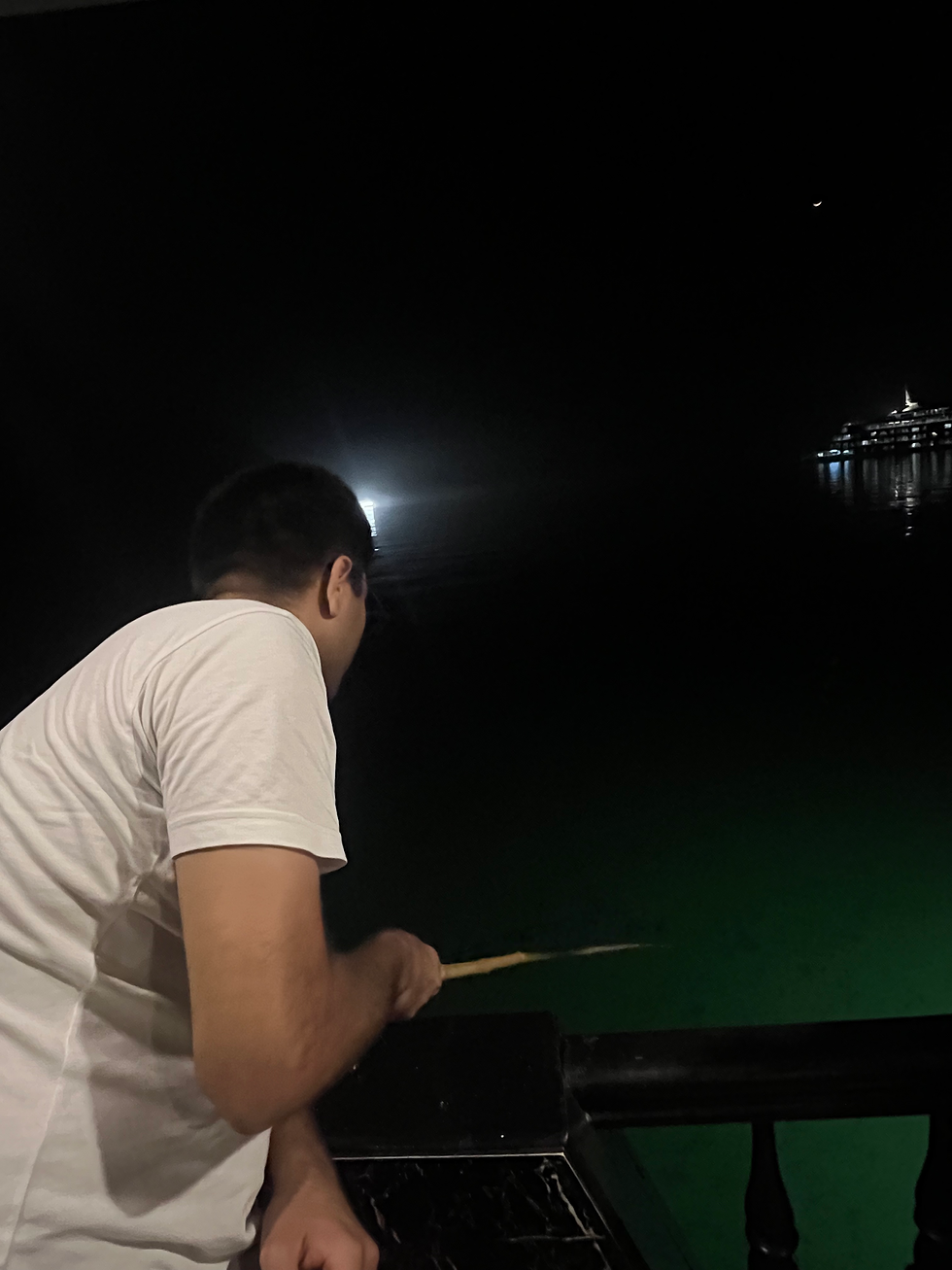
The combination of comfort, adventure, and amazing food made our Halong Bay experience unforgettable!


Bidding Goodbye to Vietnam
As we packed our bags and prepared to leave, we couldn’t help but reflect on the incredible journey Vietnam had given us. From the bustling streets of Ho Chi Minh City with its rich history to the magical lantern-lit charm of Hoi An, every place left its own unique mark on us. The breathtaking views from Ba Na Hills, the peaceful beauty of Paradise Cave, and the serene waters of Halong Bay showed us Vietnam’s stunning natural diversity.
Sa Pa amazed us with its misty mountains, terraced rice fields, and the warmth of its people, while Hanoi’s vibrant chaos and cultural depth slowly grew on us in ways we didn’t expect. Each destination, whether it was about history, nature, or culture, gave us something unforgettable.
Vietnam wasn’t just a trip; it was an experience that taught us to embrace the unknown and cherish the simple joys—be it a bowl of noodle soup, a hike through lush mountains, or a quiet moment on a boat. Saying goodbye wasn’t easy, but we leave with hearts full of memories, gratitude, and a promise to return someday. Until next time, Vietnam!


Comments